Outfront Media – LCD Screens in NYC Subway and Cinema Movie Walls

Commercial Displays

SurfaceID developed LCD screens for a wide range of uses. The first and biggest was the New York City subway, followed by many other transit systems across North America. Next came the cinema movie walls at ArcLight Sherman Oaks and ArcLight Hollywood in California. After that, the screens went into hundreds of retail installations for brands like Ogilvy, Starbucks, Red Bull, H&M, Audi and BMW, and the list keeps growing. All of this was done for our main client, Videri.

Cinema Movie Walls

96 screens, one picture

A lobby wall about 50 ft wide and 15 ft tall at ArcLight Sherman Oaks, with a second movie wall at ArcLight Hollywood.

Read the story ↓
Transit

The NYC subway, then North America

Poster-thin screens on subway walls, corridors and train platforms.

Retail

Hundreds of stores and brand spaces

Windows, shelf walls and showrooms for brands like BMW, H&M and Red Bull.

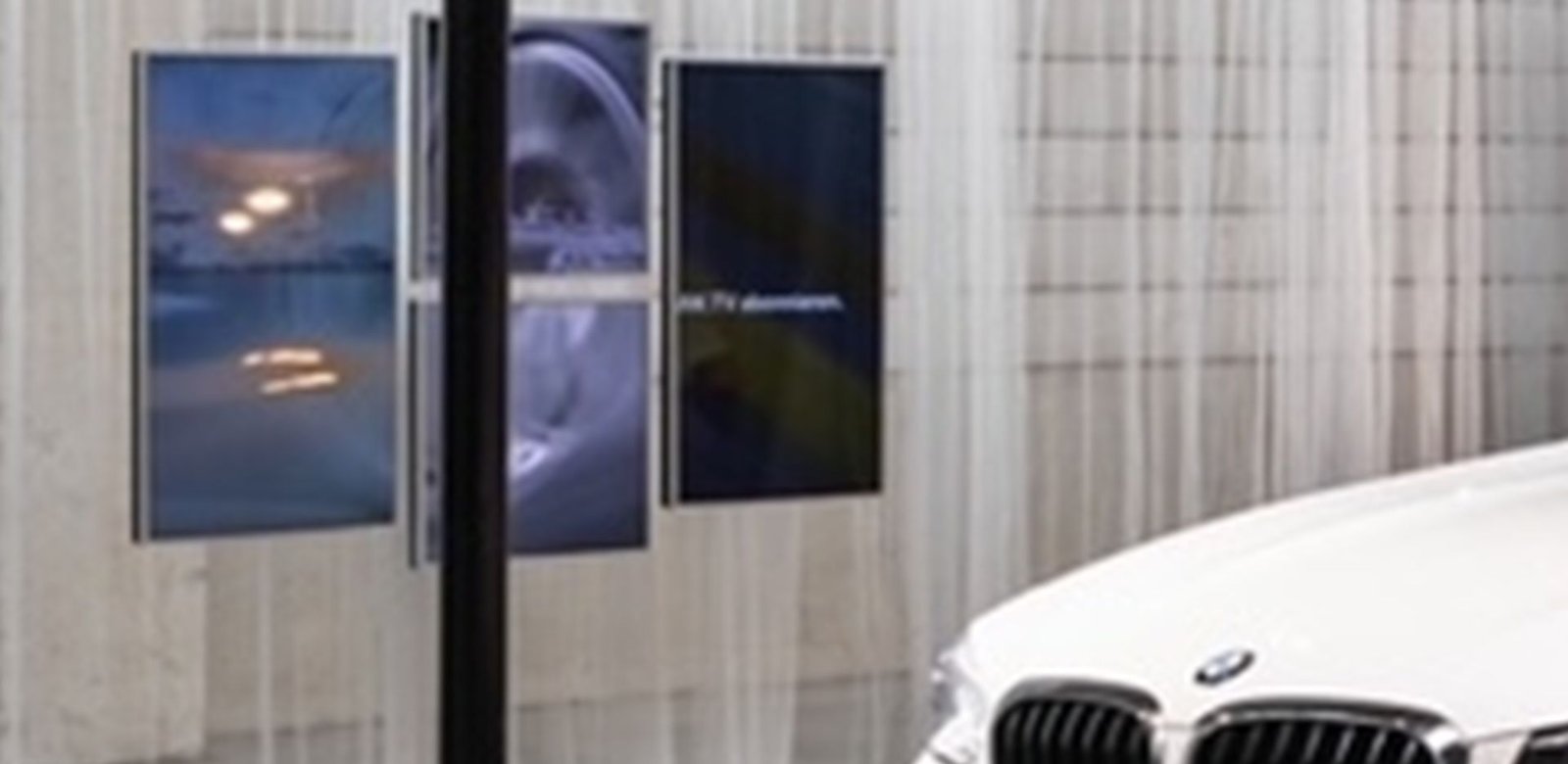
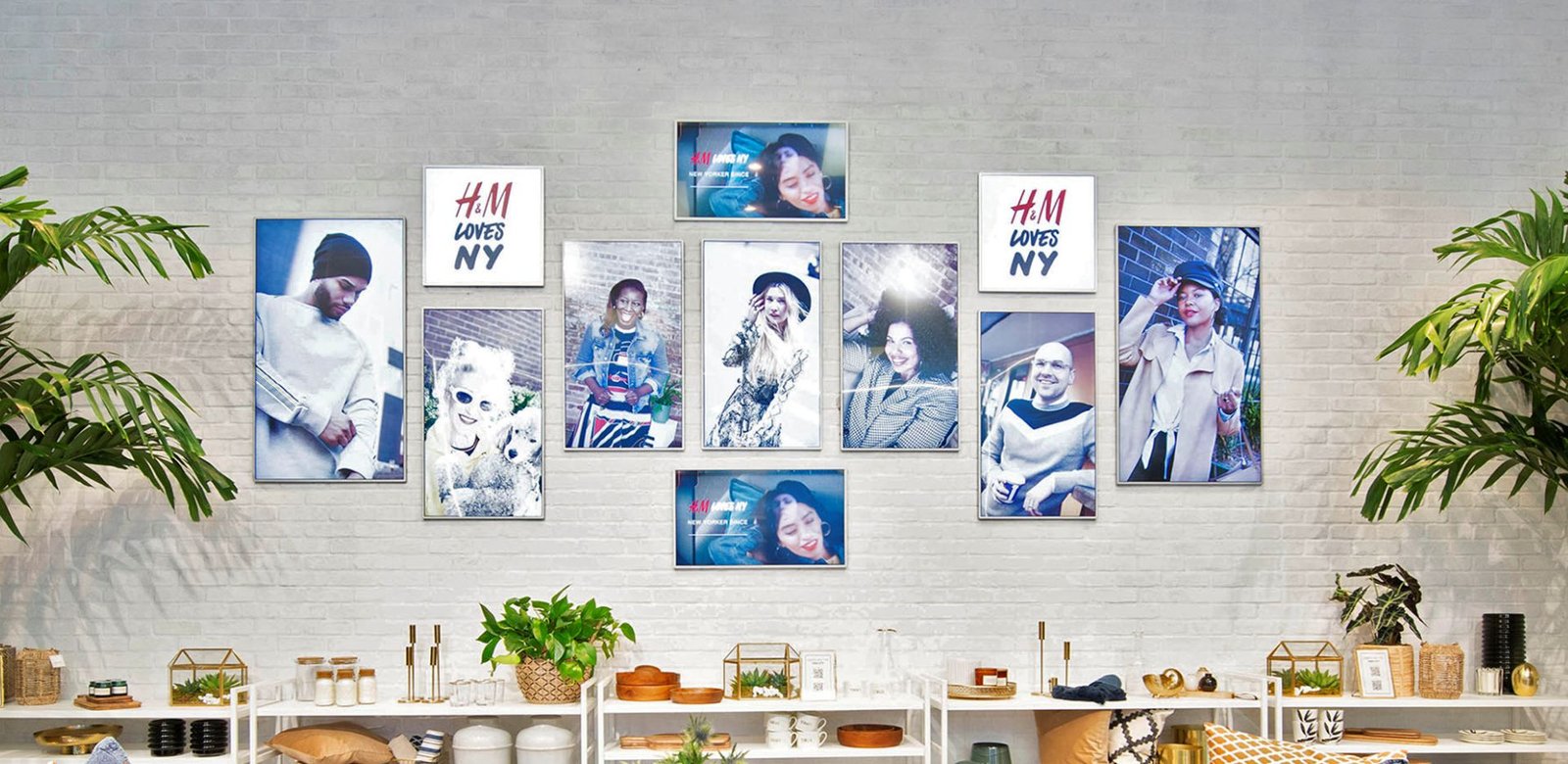
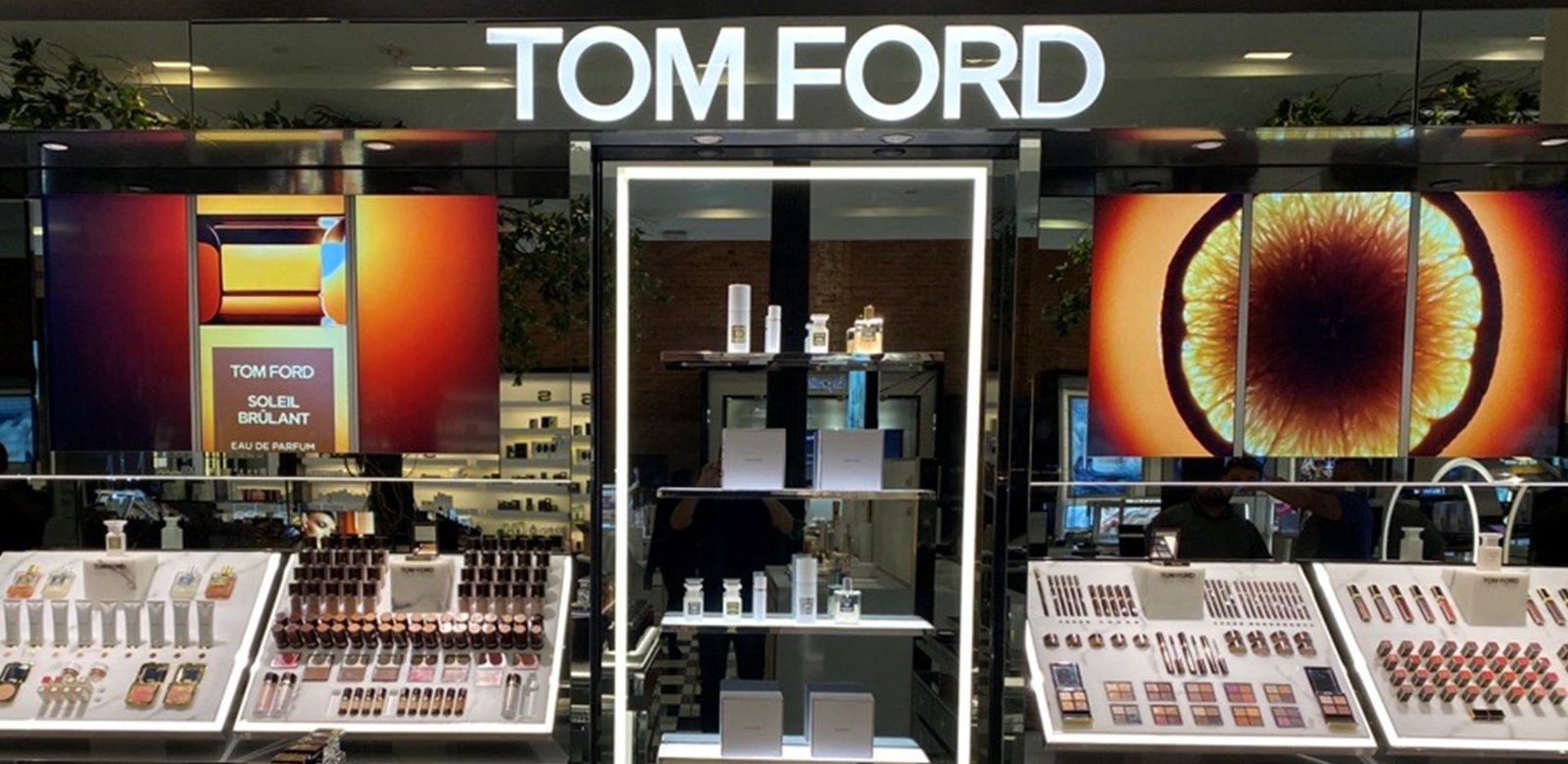
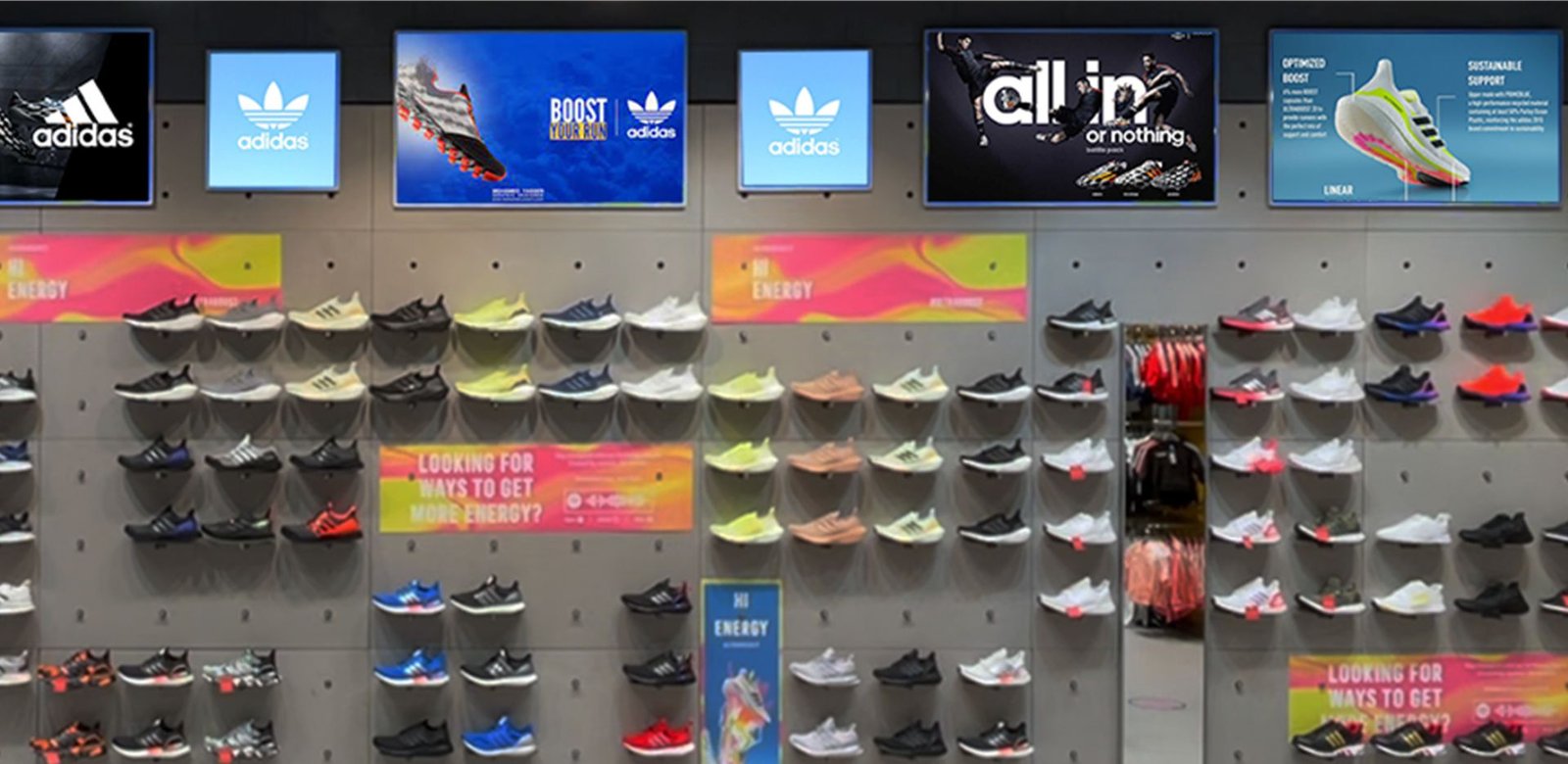
Videri LCD screen in a BMW showroomVideri LCD screen wall at H&MVideri LCD screen at a Tom Ford counterVideri LCD screen on an adidas shoe wall
12.7 mmthin, edge to edge
IP67waterproof subway casings
96screens in one movie wall
2012–2020SurfaceID engineering for Videri
For the deep readers

The Full Story.

How each application was engineered, from the first subway screen to the store wall.

01

Transit: The NYC Subway and Beyond

From Printed Posters to a Digital Network

When SurfaceID began working with Videri in 2012, subway advertising in New York was still overwhelmingly a printed poster business. Outfront Media (then CBS Outdoor), the company behind the ads on NYC Subway walls and platforms, was about to become Videri’s biggest customer. Over the next eight years, the screens SurfaceID developed for Videri helped turn those poster frames into a connected digital network.

Outfront and Videri announced an exclusive partnership in December 2014. In November 2015, Outfront launched its ON Smart Media platform, built on Videri technology, at New York’s new 34th St–Hudson Yards station. From there, the screens rolled out across North American transit systems, on subway walls, train platforms and station entrances.

surfaceid lcd screen 002.jpg 1

The Hard Part: Engineering Challenges

None of this came easily. Turning a thin, good-looking screen into a product that could survive a subway platform took years of mechanical engineering, industrial design and hands-on prototyping. It was a long and expensive process, and every new model raised problems we had to solve from scratch.

  • Thin from edge to edge. Redesigning the electronics was one of the hardest parts of the project. Most TVs, and even computer monitors, look thin at the edge but are 3 to 4 inches deep in the middle. Ours were thin everywhere: 12.7 mm (half an inch) for the 55-inch screens, with larger screens and commercial subway models only slightly thicker and still under an inch. Shrinking the electronics that small and that thin was a real challenge.
  • Fully waterproof, semi-outdoor. Subway stations are indoor but exposed, much like a covered outdoor space. At the client’s request, we over-engineered the casings to an IP67 rating, so they stand up to regular power washing with no water getting in.
  • Mounting and bracketing. We developed mounting systems and brackets for concrete, tile and giant multi-screen walls, all low-profile, precisely aligned and easy to service.
  • Installation in the real world. Each site brought its own walls, tolerances and access limits, so installs had to be fast, repeatable and safe in public spaces.
  • Prototype after prototype. Dozens of models were designed, built, tested and refined before the design was ready for market.
  • Debut at CES. The platform was first unveiled to invited guests at CES in Las Vegas in January 2015.
surfaceid outfront lirr platform lcd display 1

SurfaceID’s Role

From 2012 to 2020, SurfaceID developed the LCD screens for Videri. Our industrial designers and engineers took each display from concept through prototyping to production-ready hardware: the panel architecture, enclosures, mounting systems, thermal management and electronics packaging.

The goal was a screen that looked less like a television and more like a printed poster: flat, thin, nearly borderless and easy to install in places never designed for electronics. We reduced display depth from the typical industry range of 50–100 mm to an ultra-slim 12.7 mm profile, including structure, mounting hardware, antennas and electronics.

Thinner Than the Panel Makers Thought Possible

Reaching 12.7 mm meant changing how the LCD panels themselves were built. Our team travelled to Korea and China to work directly with major panel makers, including LG and Samsung, on how to build an ultra-thin LCD.

SurfaceID engineers taught new assembly approaches and helped re-engineer their manufacturing processes, producing panels far thinner than the factories had been able to make on their own, with minimal borders and maximum viewable area.

surfaceid outfront brooklyn subway lcd screens 1
surfaceid o ring.jpg 1

Engineering and Prototyping

Over the life of the program, SurfaceID prototyped and built dozens of display models, each with its own waterproof enclosure, from the ground up.

Built for the subway. Station walls are cleaned with high-pressure wash systems, and the displays face dust, moisture and vibration every day. SurfaceID engineered waterproof enclosures with seamless glass faces, precision gasketing and integrated thermal management, using CNC-machined and die-cast aluminum housings with sandblasted finishes instead of conventional sheet metal.

Connected by design. Integrated LTE antennas and wireless content management meant each screen could be updated remotely, without running data cable through century-old station walls.

Mounted to last. Ultra-low-profile mounting systems fastened the displays directly to concrete and tile, keeping the screen nearly flush with the wall.

What We Delivered

Industrial design

  • Ultra-thin LCD architecture
  • Bezel and seam reduction
  • Subway-grade waterproof enclosure design
  • Ultra-low-profile wall integration

Mechanical and electrical engineering

  • Thermal management and heat dissipation
  • Integrated LTE antennas and wireless connectivity
  • Slim-profile electronics packaging and connector design
  • Structural engineering for large display arrays
  • Durability and serviceability for public spaces
industrial design montreal lcd screen 001.jpg 1
surfaceid lcd screen 003.jpg 1

On Platforms Across North America

Starting at 34th St–Hudson Yards in 2015, the screens became part of Outfront’s digital network across North American subway systems and commuter rail platforms.

They were mounted on station walls and entrances, in corridors and on platforms, carrying advertising and transit information to millions of riders every day.

02

Cinema Movie Walls

Movie Walls

The same technology scaled up into giant video walls. In 2016, Cinema Scene Marketing installed the “StoryWall” in the lobby of ArcLight Cinemas Sherman Oaks in Los Angeles. Built on Outfront’s ON Smart Media platform and Videri technology, it used 96 screens to form a single image roughly 50 ft wide and 15 ft tall.

At launch it was billed as the largest digital lobby display in the US cinema industry. Similar movie walls followed in other theatres, including on Sunset Boulevard in Hollywood.

industrial design mechanical engineering lcd screens deadpool 01.jpg
industrial design montreal lcd screen 002.jpg 1

Engineering the Wall

Walls like these created a new set of engineering problems. A single image might span dozens of screens, so ultra-thin bezels, precision alignment systems and tight installation tolerances were essential: a fraction of a millimetre out of place shows.

Behind the screens, SurfaceID developed large structural mounting systems to carry the weight while holding every display in position. Pop-out mounts let technicians replace a single screen in the middle of a wall without removing the ones around it.

03

Retail and Brand Spaces

From Subway Walls to Store Walls

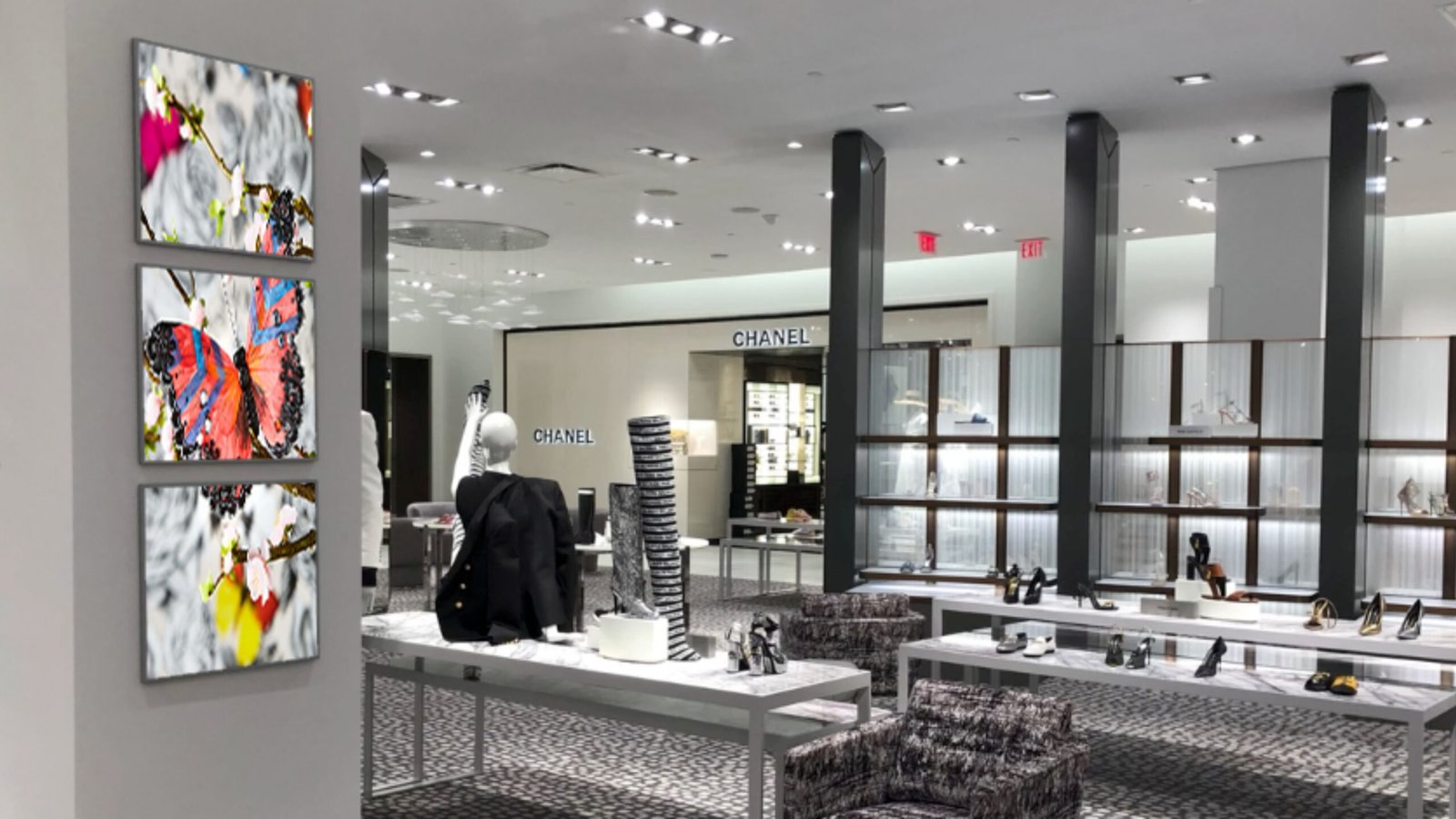
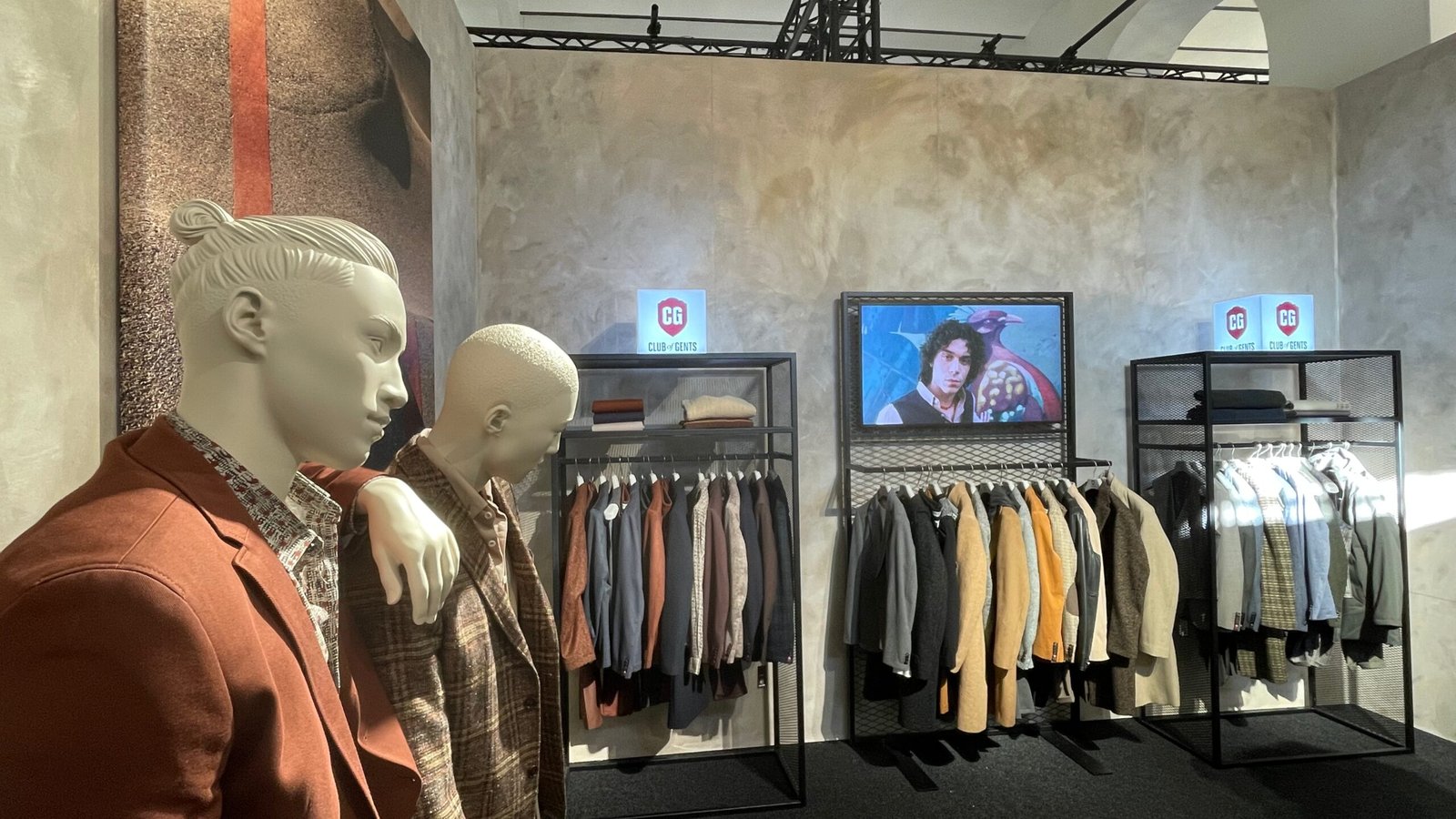
The same poster-thin screens moved naturally into stores. At 12.7 mm deep and hung almost flush, a display can sit in a window, on a shelf wall or next to a product without looking like a TV, and its content can be updated remotely across many locations at once.

Over the years the screens went into hundreds of retail installations for brands and agencies including:

OgilvyStarbucksRed BullH&MAudiBMW
Videri LCD screen in a BMW showroomVideri LCD screen wall at H&MVideri LCD screen in a fashion storeVideri LCD screen in an apparel store windowVideri LCD screen at a Tom Ford counterVideri LCD screen on an adidas shoe wall

Photos courtesy of Videri. See more installations at videri.com.

AV Awards 2024 winner laurel
AV Magazine logo
RECOGNITION

Digital Signage Technology of the Year

Videri’s Spark Series, built on the display platform SurfaceID engineered, won Digital Signage Technology of the Year at the 2024 AV Magazine Awards.

Award presented to Videri Inc. by AV Magazine, November 2024.

When this project began, digitizing the subway meant fitting electronics into spaces built for paper. SurfaceID’s job was to make the screens thin, tough and serviceable enough to belong there.

Speak to our experts about your unique challenge

Whether you’re identifying your next innovation priority, or looking to accelerate development of an existing concept, our team will have advice to help you move forward.

Related projects

We’ve brought over 150 products to life, pioneering progress in pharma and life-saving medtech.

Our Services

Areas We Serve.

From startups, to large companies; SurfaceID has you covered.

Consumer Product Design

Medical Design

Scientific and Industrial Instruments

Blog.

Read about Industrial Design & Mechanical Engineering, one post at a time.
ArcLight Cinemas LCD video wall, 96 portrait screens

LCD Design and Commercial Integration at Scale: The ArcLight Cinemas StoryWall

Ninety-six portrait LCDs, one 50-foot image, and a wall built so any screen can be serviced with a single push. The finished StoryWall running one image across every screen, with the crew still on ladders for final checks. For years the poster wall in the lobby of ArcLight Cinemas Sherman Oaks was part of the […]

CAD render of the assembled Tstand uppercase-H base – mechanical engineering and product development by SurfaceID, Montreal

Product Design Challenges Behind the Tstand Base: Ergonomics, Sink Marks, Snap-Fits, and Lifters

What it took to make a simple-looking injection molded part look clean, feel solid, and come out of the mold. Tstand looks simple. It is a tablet stand that rests on your chest while you lie in bed or on the couch, so you can watch a movie without holding the device or craning your […]

How to Validate Hardware Concepts Before Building

How to Validate Electronics Engineering Hardware Concepts

Learn how to validate hardware concepts with focused prototypes, real user testing, and engineering checks before tooling or production costs rise fast.
Sheet Metal Enclosure Design That Builds Better Products

Sheet Metal Enclosure Design That Builds Better Products

Sheet metal enclosure design aligns form, thermal performance, electronics protection, and manufacturing for housings suppliers can produce reliably.
BLE vs Wi-Fi vs Cellular: Choose a Wireless Tech

BLE vs Wi-Fi vs Cellular: Choose a Wireless Tech

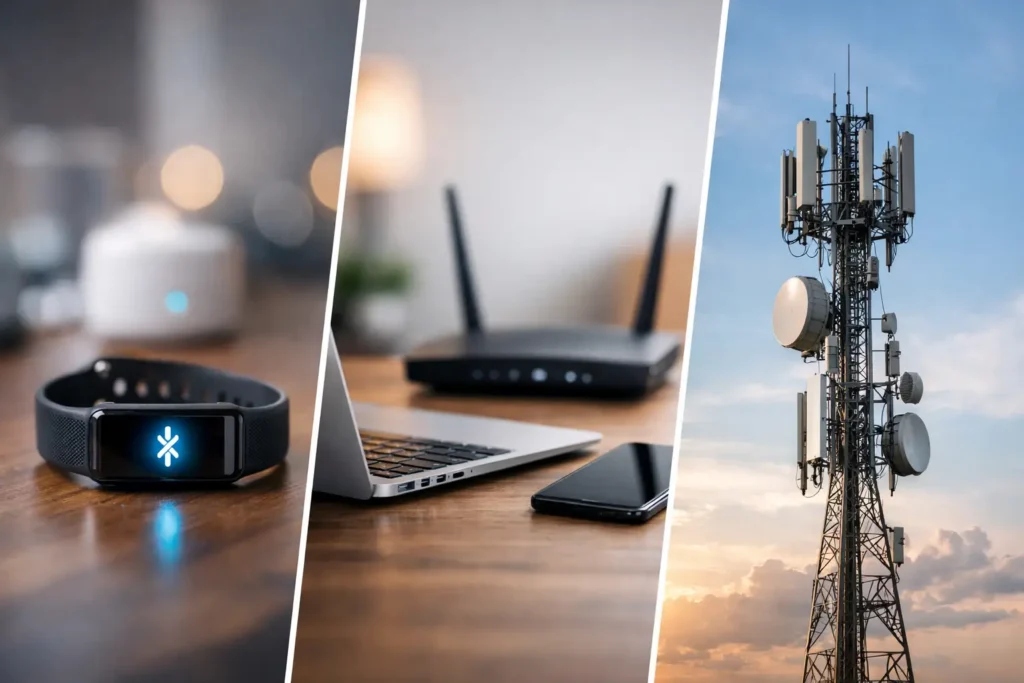
BLE vs Wi-Fi vs cellular: how to choose the right wireless technology for your product, balancing power, range, data, cost, and user experience at scale.