Medical Design
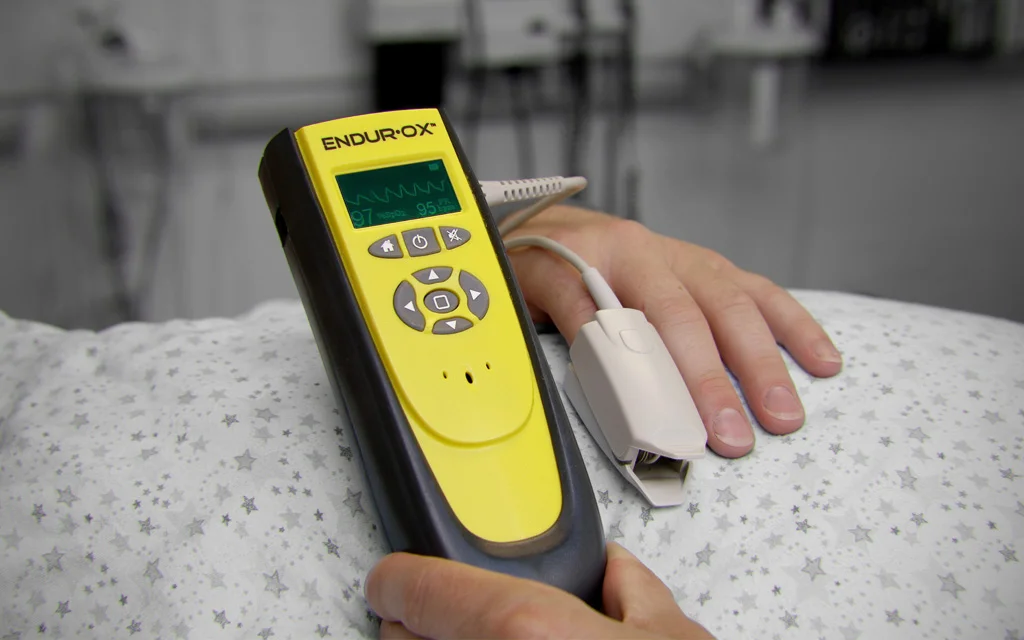
The Endurox is a spot-check pulse oximeter for hospitals to monitor their patients' oxygen saturation and heart rate.
Pulse oximetry, a quick reading of blood oxygen saturation and heart rate from a sensor on the finger, is one of medicine’s most basic checks. In many price-sensitive markets, though, the cost of the device, its sensors and a steady supply of batteries keeps it out of reach. The Endurox was conceived as a spot-check pulse oximeter for hospitals in exactly those settings.
Its answer was a device that powers itself: shake it, and a magnet moving through a coil generates the electricity for a reading. A built-in finger sensor cuts operating costs, a graphical, symbolic interface keeps it simple, and its developers reported an average reduction of more than 75% in cost of ownership compared with pulse oximeters already on the market. SurfaceID designed the handheld unit and its stand.

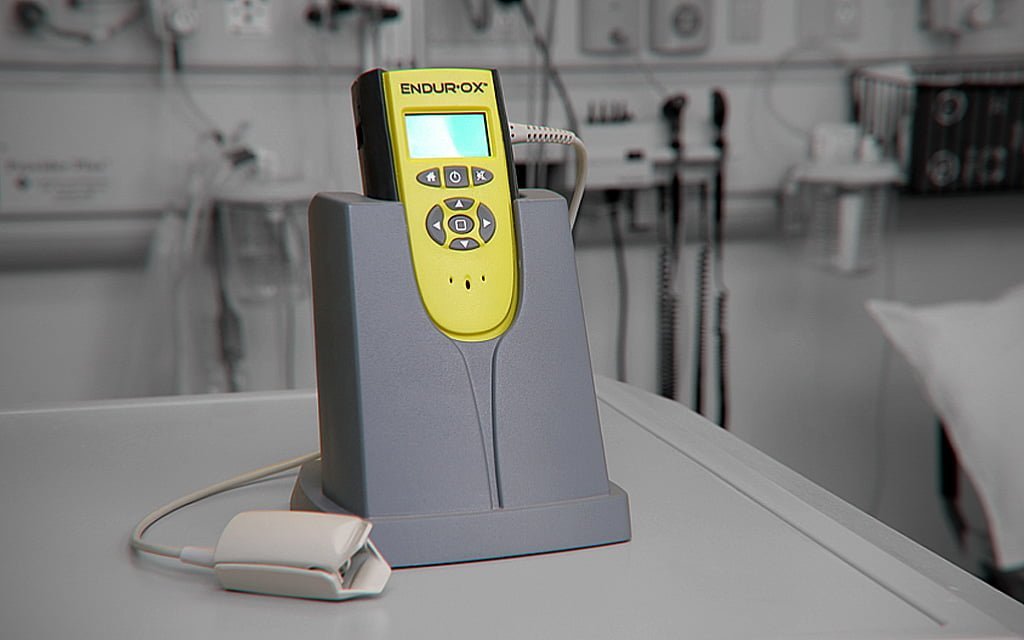
Shaking the Endurox stores energy on board until there is enough for a reading, and the device signals when it is ready. On its stand, it can also run from external power, with the stand holding the screen facing the user for continuous use.
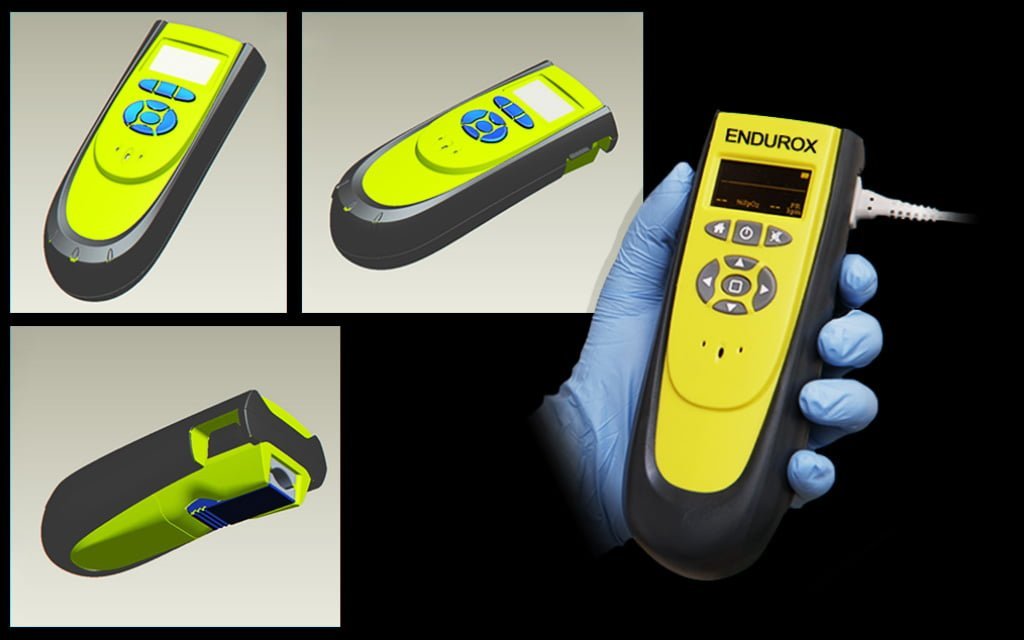
SurfaceID shaped the Endurox as a sturdy handheld with a clear display and a simple keypad, finished in high-visibility yellow, with a matching stand that keeps it upright and ready at the bedside.
Whether you’re identifying your next innovation priority, or looking to accelerate development of an existing concept, our team will have advice to help you move forward.
We’ve brought over 150 products to life, pioneering progress in pharma and life-saving medtech.
What it took to make a simple-looking injection molded part look clean, feel solid, and come out of the mold. Tstand looks simple. It is a tablet stand that rests on your chest while you lie in bed or on the couch, so you can watch a movie without holding the device or craning your […]