Janam XT

Consumer Products

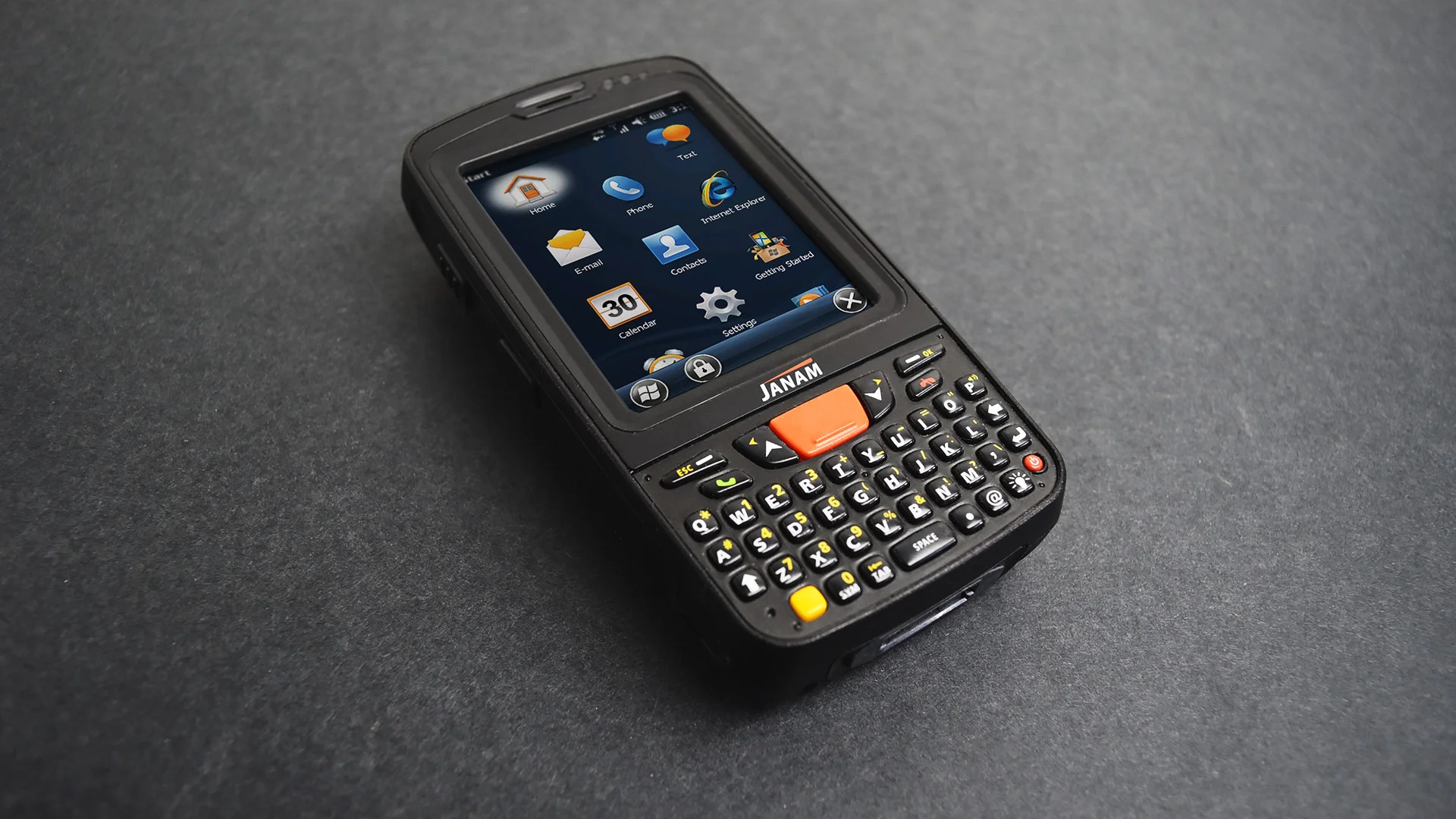
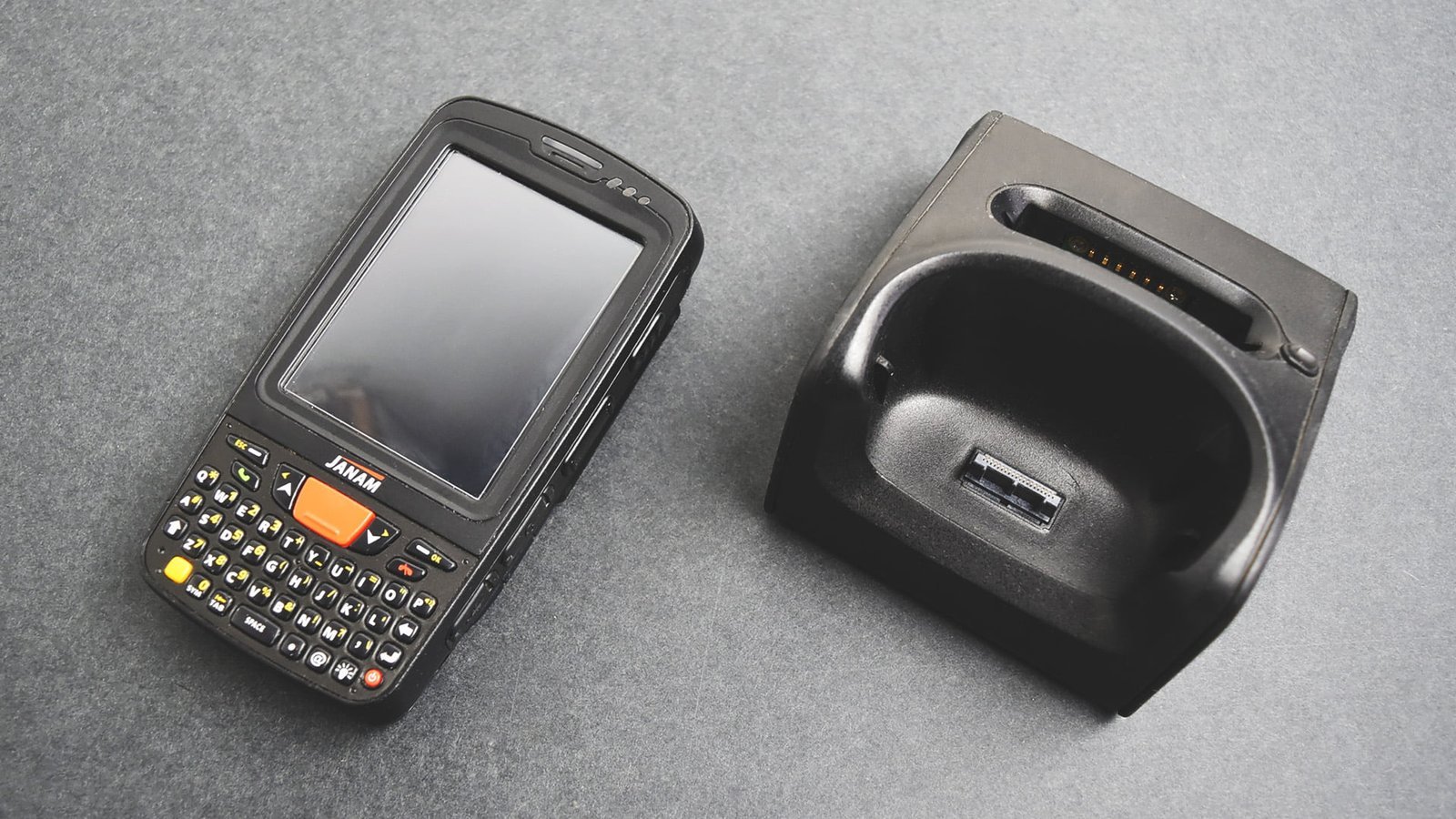
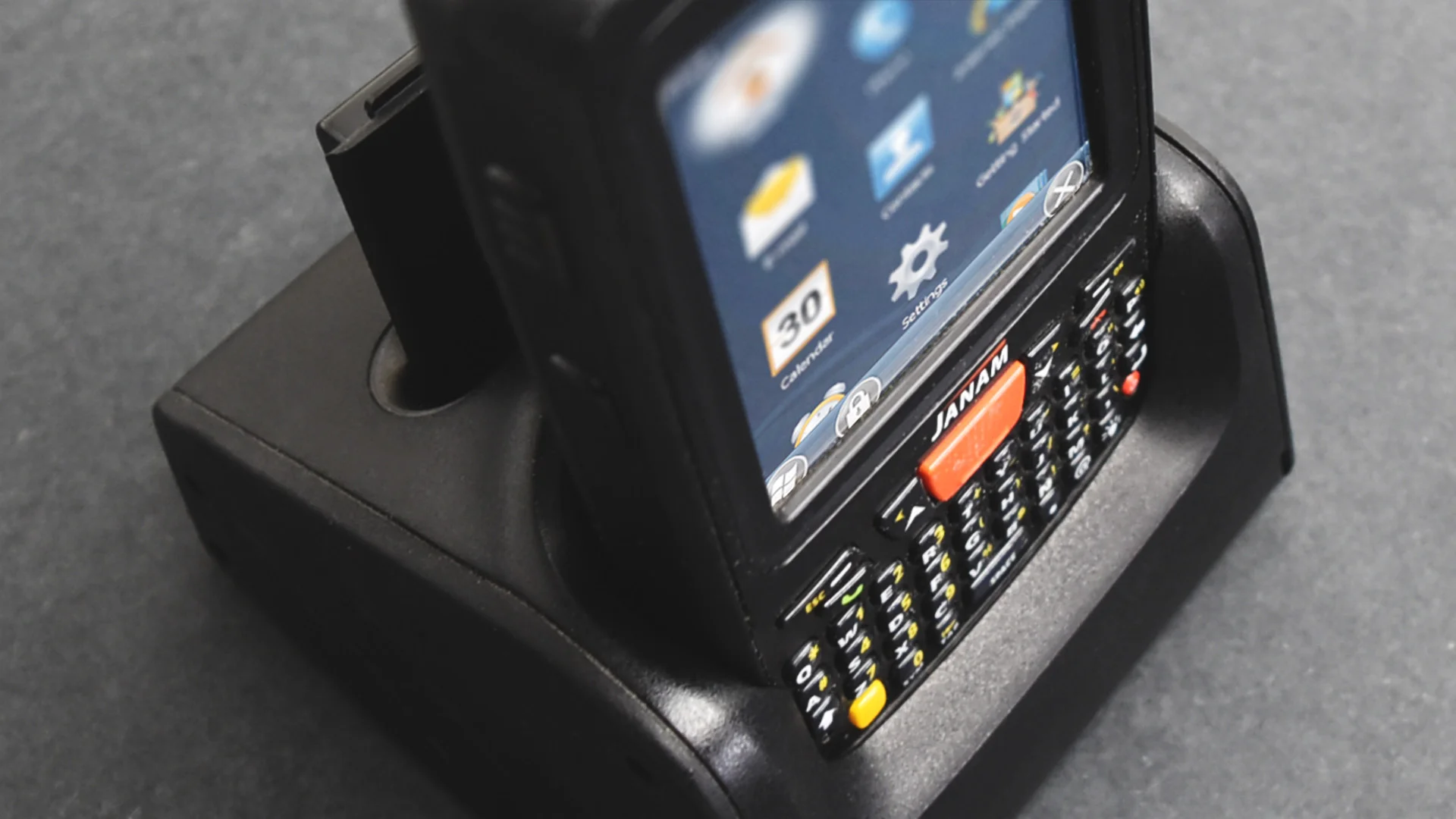
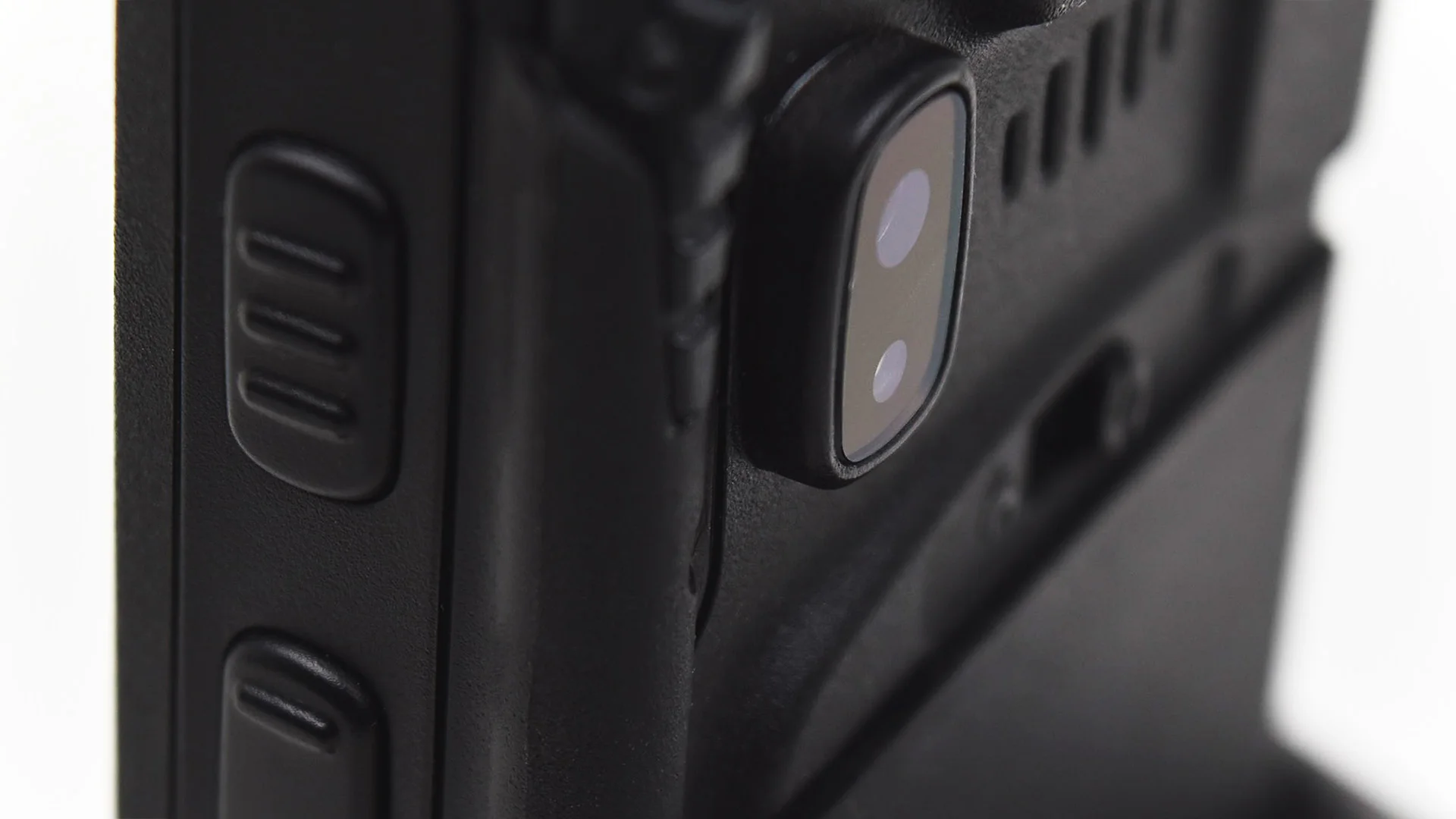
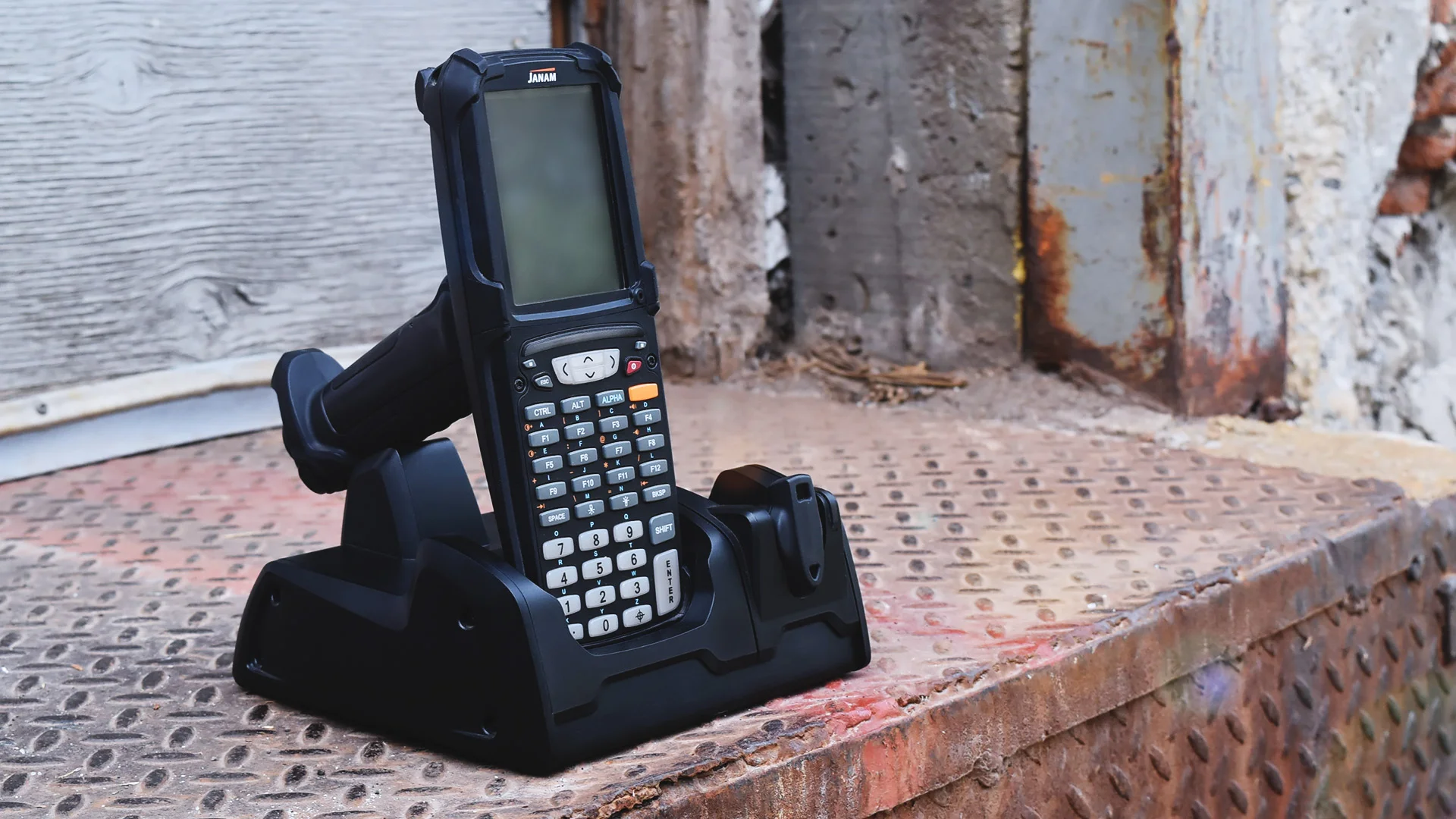
Final product photographs.Janam XT’s ultra-sleek handheld rugged touch computer

What is the Janam XT?

The Janam XT is a rugged handheld mobile computer developed for business and industrial use. It supports mobile data capture and wireless communication in logistics, warehousing, and field service environments where devices are used throughout the workday and expected to work as intended.

Early development focused on durability, but size, ergonomics, and comfort could not be ignored during long shifts. Drop resistance, environmental exposure, and repeated handling placed firm limits on materials and structure.

Industrial Design & Engineering tasks

  • Product and industry research
  • Handheld ergonomics and grip development
  • External form and material selection
  • CAD development and physical prototyping
  • Mechanical engineering for impact resistance
  • Electronic engineering and system integration
  • Internal layout for battery, thermal, and antenna requirements
  • Design for manufacturing and assembly

Rugged design shaped by real handling constraints.

Mechanical engineering focused on reinforcing the areas of the enclosure that are most likely to be hit or damaged during drops, rather than increasing thickness across the entire enclosure. In addition, miniature ‘shock absorbers’ were engineered to ‘suspend’ the electronics assembly  inside the enclosure.  This approach protected sensitive electronics while keeping overall weight under control. Internal structure and component placement were developed side by side. Small layout changes affected rigidity, battery capacity, and how easily the device could be serviced.

Electronic integration introduced additional space and heat management features. Antenna placement, heat dissipation, and battery size all competed for limited internal volume. These limitations influenced enclosure geometry and shaped the external form visible in the final product.

SurfaceID’s industrial designers and engineers collaborated across development phases, with priorities shifting over time. Structural requirements set early boundaries, while ergonomic refinement followed once the internal architecture stabilized. Physical prototypes helped verify structural decisions and overall handling before the design moved to production tooling.

The final design of the Janam XT comes from practical decisions guided by everyday use.

Speak to our experts about your unique challenge

Whether you’re identifying your next innovation priority, or looking to accelerate development of an existing concept, our team will have advice to help you move forward.

Related projects

We’ve brought over 150 products to life, pioneering progress in pharma and life-saving medtech.

Our Services

Areas We Serve.

From startups, to large companies; SurfaceID has you covered.

Consumer Product Design

Medical Design

Scientific and Industrial Instruments

Blog.

Read about Industrial Design & Mechanical Engineering, one post at a time.
Die Casting vs Injection Molding: How to Choose

Die Casting vs Injection Molding: How to Choose

Compare die casting vs injection molding by material, cost, tolerances, tooling, and production volume to choose the right process for your product launch.

What Causes Injection Molding Defects in Production?

Learn what causes injection molding defects, how design, material, tooling, and process interact, and how to prevent costly production failures at scale.
Custom PCB Design for Startups That Can Scale

Custom PCB Design for Startups That Can Scale

Custom PCB design for startups turns a promising prototype into a manufacturable product by aligning requirements, testing, supply chain, and scale early.
prototype testing lab

Prototype Testing Methods

Functional prototype testing methods turn assumptions into evidence, helping teams validate performance, usability, reliability, and build readiness early.
What Is Concept Development in Design for Products?

What Is Concept Development in Product Design?

What is concept development in design? Learn how research, ideation, engineering, and prototypes turn a product idea into a buildable business case, fast.